Boxing
Dana White Criticizes Muhammad Ali Act as Zuffa Boxing Secures Broadcast Deal with Paramount+

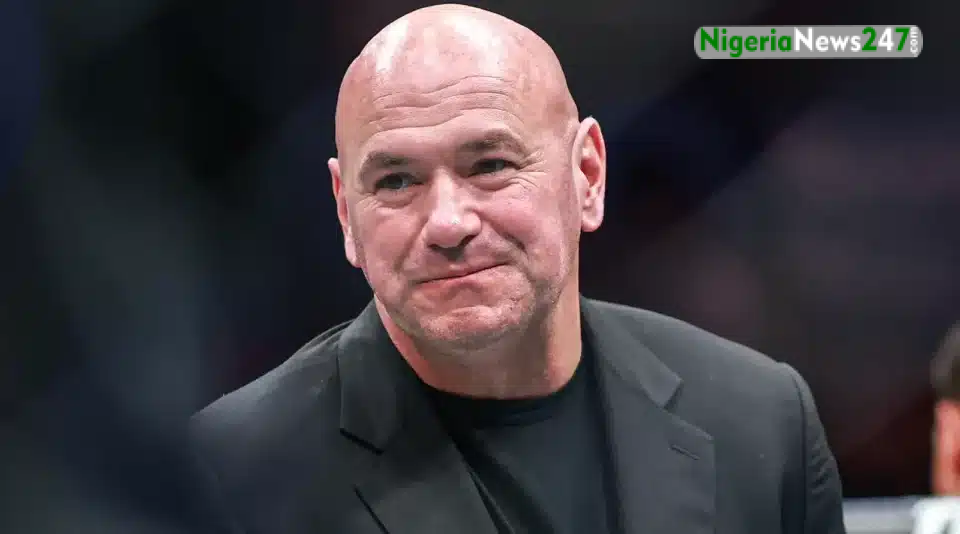
UFC president Dana White has made it clear he doesn’t need the controversial Muhammad Ali Boxing Reform Revival Act to move forward with his new venture, Zuffa Boxing. Yet, in the same breath, he criticized the original legislation—designed to protect fighters—claiming it has “held the business back.”
White’s comments come as Zuffa Boxing, which is financially backed by Saudi advisor Turki Alalshikh, announces a new broadcast deal with Paramount+, with plans to stage 12 boxing events per year on the streaming platform. Teaming up with WWE President Nick Khan, White is aiming to disrupt the boxing landscape in much the same way he transformed MMA through the UFC.
However, critics fear that such disruption could lead boxing down a dangerous path—mirroring the UFC’s centralized model, where fighter pay and contractual transparency have often come under fire.
At the center of the debate is the Muhammad Ali American Boxing Revival Act, introduced to Congress in July. The bill aims to create Unified Boxing Organizations (UBOs), one of which would likely include Zuffa Boxing. While it claims to modernize the sport’s governance, opponents argue it undermines the core ethical principles of the original Muhammad Ali Act, which mandates transparency in fighter contracts, pay, and promoter relationships.
The Revival Act’s structure could open the door to reduced fighter pay and less independent oversight—concerns fueled by White’s track record in the UFC, where athletes have long pushed for better financial terms and labor protections.
Despite this, White insists his promotion will not require the new legislation to proceed. Speaking to CBS Sports, he emphasized that Zuffa Boxing can operate with or without the Revival Act.
“There will be zero changes to the Muhammad Ali Act — not one word will be changed,” White said.
“We’re going to add onto it, so the guys that want to fight under the Muhammad Ali Act, exactly the way it is, will have the opportunity to do that.
Or you can bet on me, and fight with me, under our version of the Muhammad Ali Act.
That thing’s been blown a lot out of proportion… The Muhammad Ali Act was put in place with all good intentions, but I think it’s held the business back.”
As part of his long-term vision, White also revealed plans to introduce a Zuffa Boxing world title, which would sit alongside Alalshikh’s Ring Magazine belt, in an effort to sideline boxing’s four existing major sanctioning bodies: the WBA, WBC, IBF, and WBO.
However, to fully implement this centralized vision, passage of the Revival Act through Congress would be crucial—particularly if White hopes to gain legitimacy for his version of a unified boxing championship.
While some see White’s entrance as a potential boost to the sport’s visibility and commercial success, others warn that boxing’s hard-fought autonomy and fighter-first protections could be eroded in the process.
The Revival Act is expected to be voted on in U.S. Congress before the end of 2025, setting the stage for a major shift—or fight—over boxing’s future.




Abia Govt Approves Renovation of Ojukwu Bunker, National War Museum

Top 10 Stories From Nigerian Newspapers Today — Tuesday, November 25 2025

Ogun State to Document Foreign Workers, Strengthen Security Amid Rising Threats

Top Nigeria Newspaper Headlines Today 25th June 2024 [Tuesday]

Elon Musk Nominated for 2025 Nobel Prize: His Bold Defense of Free Speech and Human Rights Rocks the World
Top Nigeria Newspaper Headlines Today 29th June 2024 [Saturday]

[VIDEO] Tinubu Stumbles while Boarding Presidential Parade Vehicle at Eagles Square

VIDEO: Yobe Residents Hold Prayer Session Over Power Cable Vandalism

You must be logged in to post a comment Login