METRO
Insecurity: IDPs Struggle Amid Worsening Humanitarian Crisis in Niger

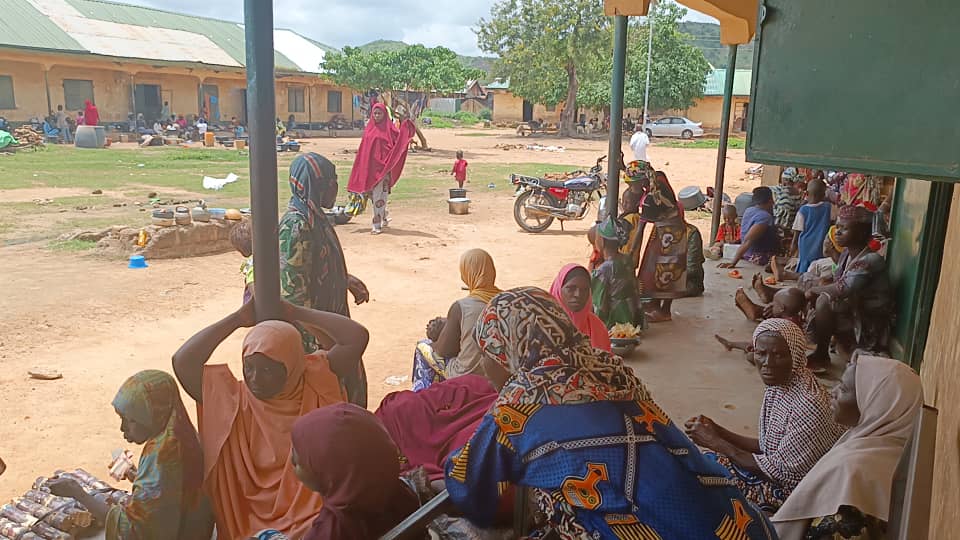
The humanitarian crisis in Niger State has worsened, leaving thousands of Internally Displaced Persons (IDPs) struggling to survive.
NIGERIA NEWS 247 reports that IDPs in camps across the Shiroro, Munya, and Rafi local government areas are living in deplorable conditions.
Mostly women and children, these IDPs fled their homes due to violent attacks from bandits and Boko Haram extremists in the Northern region.
In addition to poor housing, they face gross violations of their rights, inadequate sanitation, and limited access to basic necessities like food, water, and healthcare.
The lack of sufficient food has led to rampant malnutrition, with many children suffering from stunting and poor hygiene. Diseases such as cholera and diarrhea are also spreading due to inadequate clean water and sanitation facilities.
During visits to the camps in Rafi Local Government Area and Gwada and Kuta in Shiroro Local Government Area, the IDPs, mainly farmers, complained of neglect and ill-treatment by the state government, leaving them without livelihoods to support their families.
“We don’t know when the government will end these security challenges that have displaced us from our homes and farmlands. We are asking the government to relocate us to a place where we can start over. Bandits and Boko Haram members have taken over many of our communities, scattering our people across various LGs and neighboring states,” some victims told our correspondent.
They expressed dismay at the appalling housing situation, marked by overcrowding, lack of privacy, insufficient food, and no beddings, which has led to discomfort and health issues.
Speaking on the difficult conditions at the Kuta camp, Shiroro LG IDP Desk Officer and Coordinator Yusuf Bala Kuta highlighted the lack of adequate food provision as the major problem facing the victims. He reported that 50 malnourished children were receiving medical treatment due to insufficient food for breastfeeding mothers, and many children had no access to education.
The camp, which houses over 5,000 IDPs, including 1,119 women and 2,511 children, was established in 2019 and includes victims from 42 communities across three LGs. The center at Central Primary School, Kuta, is overcrowded, with about 80 people cramped in a room, and others sleeping outside the camp, with no sources of livelihood.
“The IDPs are suffering because their communities have been burnt down by bandits or Boko Haram. Some are sick and currently in the hospital, and we don’t have adequate drugs. We are calling on the state government and relevant authorities for aid, although we thank the Nigerian Red Cross for recent support,” Kuta added.
An IDP at the Kuta camp, Ahmed Al-Mustapha from Bassa community, noted that since the military left their communities, criminals have continued daily attacks. “The Boko Haram members demand we vacate our lands completely,” he lamented.
A widow, Hasiya Shuaibu, disclosed that during the last attack that claimed her husband’s life, there was no military presence, only local vigilantes who could not confront the criminals. “We are left to defend ourselves and call for the government’s commitment to end insecurity,” she said.
Halima Musa, a mother of a malnourished child, appealed for government assistance, stating that the lack of food is affecting their children’s health and keeping them out of school.
When contacted, Commissioner for Humanitarian Affairs Alh Baba Suleiman Yumu said over 42,000 IDPs were housed across the three most affected LGs, with about 75 communities impacted. “The State Government is doing its best to provide succor within available resources and will continue to do more,” he stated.
Similarly, Public Relations Officer of Niger State Emergency Management Agency (NSEMA), Hussani Ibrahim, expressed the administration’s commitment to prioritizing the welfare and wellbeing of those in need, particularly during emergencies. He revealed that relief food items were recently distributed to the IDPs, and the agency is working round the clock to meet their needs.










Abia Govt Approves Renovation of Ojukwu Bunker, National War Museum

Top 10 Stories From Nigerian Newspapers Today — Tuesday, November 25 2025

Ogun State to Document Foreign Workers, Strengthen Security Amid Rising Threats

Top Nigeria Newspaper Headlines Today 25th June 2024 [Tuesday]

Elon Musk Nominated for 2025 Nobel Prize: His Bold Defense of Free Speech and Human Rights Rocks the World
Top Nigeria Newspaper Headlines Today 29th June 2024 [Saturday]

[VIDEO] Tinubu Stumbles while Boarding Presidential Parade Vehicle at Eagles Square

VIDEO: Yobe Residents Hold Prayer Session Over Power Cable Vandalism

You must be logged in to post a comment Login