GUIDES
How to Treat a Scorpion Sting in the Desert

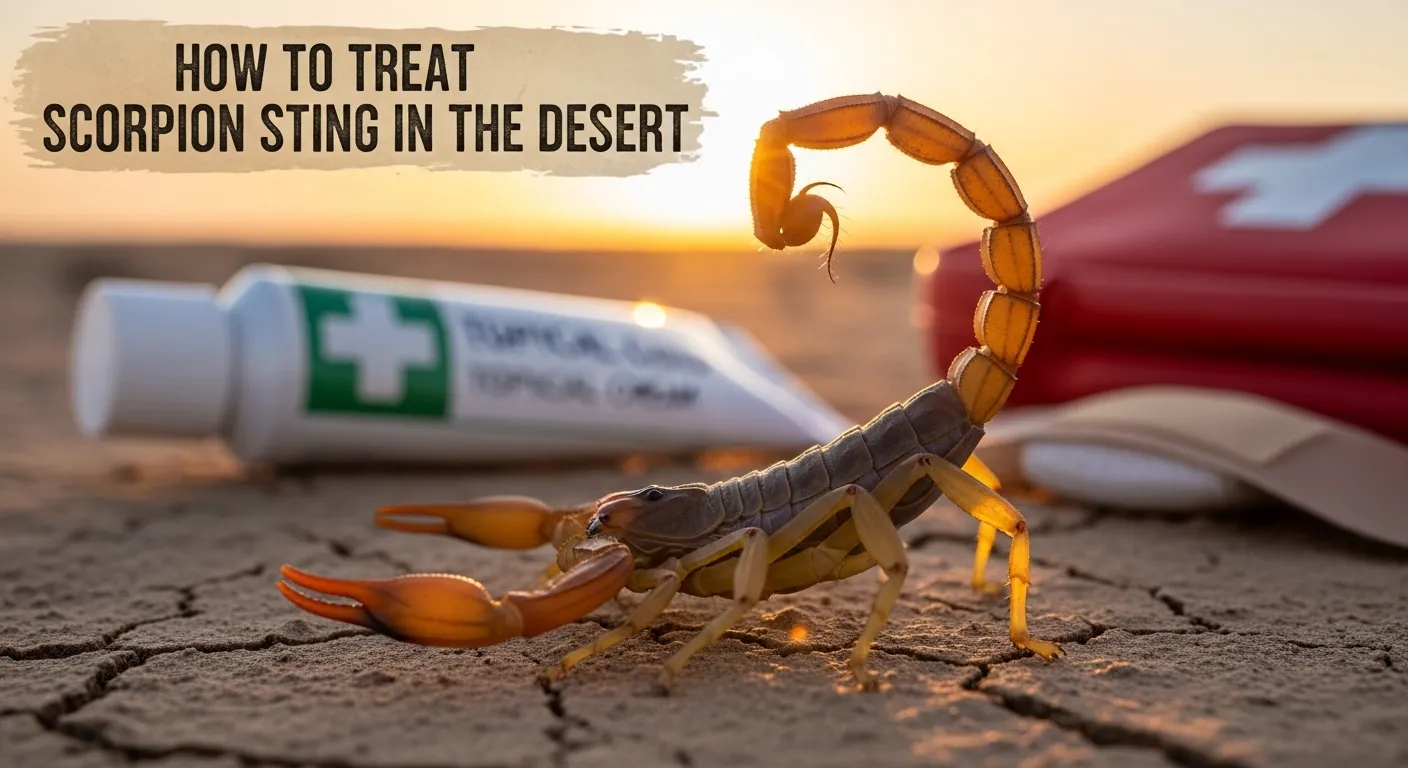
Imagine you’re trekking across a sun-baked desert trail, admiring the sweeping dunes and quiet beauty of the landscape—when suddenly, a sharp, burning pain shoots through your foot. You glance down and spot the culprit: a scorpion. The sting is immediate and fierce, and panic sets in.

In a moment like this, knowing how to treat a scorpion sting in the desert can make all the difference. Quick, informed action can ease the pain, prevent complications, and help you stay safe until you can reach proper medical care.
In this guide, we break down exactly what to do the moment you’re stung, along with common myths, practical first-aid steps, and when to seek professional help.
Recognizing a Scorpion Sting in the Desert
Most desert-dwelling scorpions deliver venom that causes intense localized pain, often compared to an electric shock or burning sensation. Within minutes, symptoms can include:
-
Sharp or throbbing pain at the sting site
-
Swelling or redness
-
Tingling or numbness
-
Increased sensitivity around the area
While most scorpion stings are not life-threatening, some species—and individual reactions—can lead to more serious symptoms, especially in children or older adults. These could include difficulty breathing, muscle twitching, sweating, or vomiting.
How to Treat a Scorpion Sting in the Desert: Step-by-Step
1. Move to a safe location
Get away from the scorpion immediately to avoid additional stings. Stay calm—panicking can increase your heart rate, which spreads venom faster.
2. Clean the sting area
Rinse the site with clean water (or a water bottle if you’re on a trail). This helps remove dirt and reduces the risk of infection.
3. Apply a cold compress
Use an ice pack, cold bottle, or anything chilled and press it gently against the sting. This helps numb the pain and reduce swelling.
4. Keep the affected limb still
Limit movement to slow the spread of venom.
5. Take an over-the-counter pain reliever
If available, ibuprofen or acetaminophen can help with pain and swelling.
6. Seek medical care if symptoms worsen
You should get medical attention right away if you experience:
-
Difficulty breathing
-
Muscle twitching
-
Uncontrolled drooling
-
Vomiting
-
Severe swelling
-
Sting in a child, elderly person, or someone with heart conditions
Even if symptoms seem mild, it’s always safer to monitor closely.
What About Traditional Remedies?
Many cultures have passed down herbal methods for easing sting pain—such as using plant leaves or natural juices. While some traditional remedies may soothe the skin, they should never replace real first aid or medical care, especially in the desert where venom potency and individual reactions vary.
If you choose to use a natural remedy for comfort, make sure it’s in addition to, not instead of, proper desert first aid practices.
Final Thoughts
A scorpion sting in the desert can be frightening and extremely painful, but with the right steps, most people recover quickly. By staying calm, applying basic first aid, and knowing when to get medical help, you can turn a dangerous situation into a manageable one.
When preparing for any desert adventure, remember: Knowledge is your best defense—and knowing how to treat a scorpion sting in the desert can truly be lifesaving.
DISCLAIMER: This guide is for educational purposes not medical advice.
Other Suggestions:
- How to Treat a Scorpion Sting in the Desert
- How to Treat a Scorpion Sting on a Child
- How to Treat a Scorpion Sting on a Dog
- How to Treat a Scorpion Sting at Home
FOLLOW US






UCL: Emre Bol Criticizes Victor Osimhen Over Temperament

EPL: Gary Neville Predicts Team to Miss Out on Champions League Qualification

EPL: Supercomputer Predicts Title Winner and Top Four After Arsenal Defeat Chelsea 2-1

Top Nigeria Newspaper Headlines Today 25th June 2024 [Tuesday]

Elon Musk Nominated for 2025 Nobel Prize: His Bold Defense of Free Speech and Human Rights Rocks the World
Top Nigeria Newspaper Headlines Today 29th June 2024 [Saturday]

[VIDEO] Tinubu Stumbles while Boarding Presidential Parade Vehicle at Eagles Square

VIDEO: Yobe Residents Hold Prayer Session Over Power Cable Vandalism

You must be logged in to post a comment Login